
Gabriel Darong - Medical Pluralism in South Africa: a solution to holistic care?
Lecture abstract
South Africa has been shown to have a high prevalence of medical pluralism, due to the coexistence of indigenous/traditional healing, biomedicine, and Ayurveda. Some sources claim an 80% use of indigenous healing among the population, in parallel, consecutively, or alternatively with other forms of healing, especially biomedicine. Many sources have also claimed that most of the population, both rural and urban, utilises indigenous healing as a primary form of care, or before seeking biomedical care. While this use in urban areas is mostly due to preference, for many rural communities, however, there are no options due to the limited availability of dependable biomedical health services. This reality speaks to the inequalities of health care options across economic and geographical lines.
Despite the wide practice of medical pluralism in the country, tensions and distrust continue to persist among proponents of the different health approaches, with indigenous healing and healers often segregated and biomedicine seen as the only “valid” health approach. The democratic government introduced the Traditional Health Care Practitioner’s Act of 2009, partly to address the segregation experienced by indigenous healers and healing. Critics, however, have argued that the Act only seeks to regulate indigenous healing without realistic strategies to promote collaboration or respect. This lecture focuses on findings from various projects. This includes understanding how people living with HIV navigate the tensions and complexities of using multiple health approaches and exploring how health practitioners from diverse health approaches can collaborate towards holistic and equitable care. The lecture also speaks to the involvement of medical anthropology students’ role in developing health promotion programs that acknowledge the diversity of health approaches in the community, thus leading to contextually relevant healthcare provision.
About the lecturer
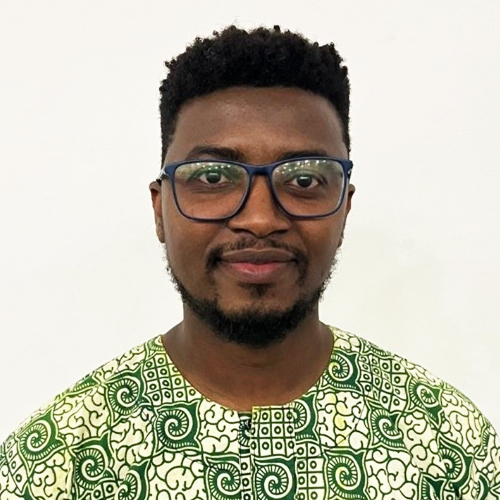
Dr. Gabriel Gyang Darong is a Senior Lecturer in Anthropology at Rhodes University, Makhanda, South Africa. His primary area of research interest is medical anthropology, where he has conducted research on HIV education and management, ethnomedicine, and the practice of medical pluralism in South Africa. He has also been involved in research projects that look at the practice of voluntary medical male circumcision and maternal and child health interventions.
Dr. Darong currently runs a National Research Foundation (NRF) funded project, "Medical Pluralism in Makhanda, and beyond", which seeks to find ways of promoting collaboration among the health practitioners of the diverse health systems in the community. Using a service-learning approach, he connects students to HIV community health workers, the careers of children living with disabilities, indigenous healers, dental care, mental health, and maternal health practitioners. He is the current President of Anthropology Southern Africa, an Organising Committee member of the World Council of Anthropological Associations, and a Steering Committee member of the World Anthropological Union.